When Congress created the U.S. Department of Agriculture in 1862, it was called "The People's Department" because nine out of ten Americans lived on farm. Today, fewer than five percent of Americans live on farms. The majority are separated from farming by multiple generations.
This means that for many people, the news media, books and movies are their sources for information about how America's food is produced. This also means Americans are vulnerable to myths and misinformation. At Meat MythCrushers, our goal is to crush the myths and provide you with referenced facts so you can make informed choices that are right for you.
See all Myth Crusher Videos
-
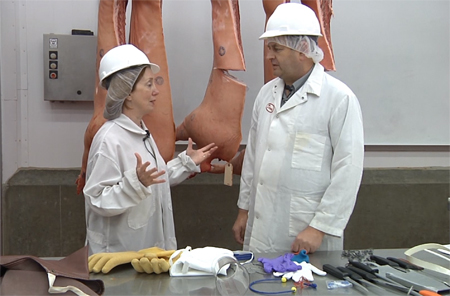
Myth: The Meat Industry is One of the Most Dangerous Industries to Work In
-
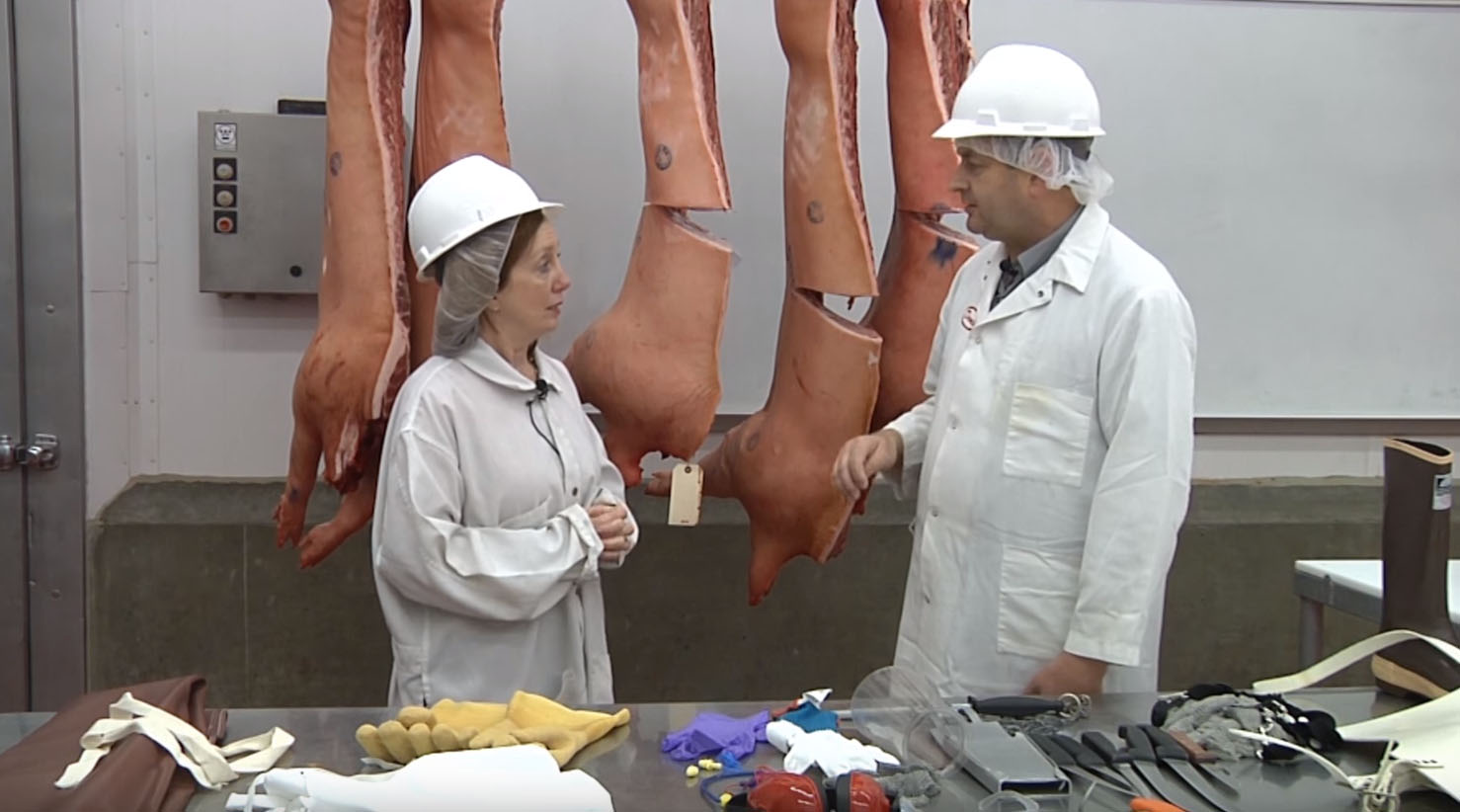
Myth: Line Speeds At Meat Plants are Solely Determined by a Company
-

-
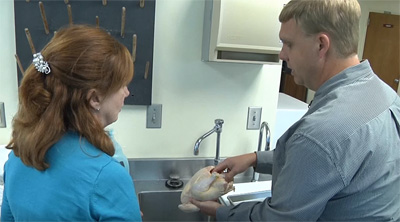
Myth: Washing Meat Before You Cook It Is a Helpful Food Safety Step
-

MYTH: Spinach and Other Vegetables are Equally Good Sources of Iron as Meat.
-

-

MYTH: Livestock Have a Greater Negative Environmental Impact than Cars
-

-

-

MYTH: Ordinary Household Ammonia is Used to Make Some Hamburgers
-

MYTH: Hormone Use In Poultry Production Poses a Health Risk to Consumers
-

MYTH: Hormone Use in Pig Production Poses a Health Risk to Consumers
-
-

-

MYTH: Americans Eat Too Much Meat And It Contains Saturated Fat that Leads to Heart Disease
-

-

MYTH: Americans Get the Most Sodium Nitrite from Cured Meats
-

MYTH: Nitrite in Cured Meat is Linked to Diseases Like Cancer
-

MYTH: Monitoring of Animal Welfare In Meat Plants Is Inadequate
-
MYTH: Antibiotic Use in Livestock Production is Increasing and This Is Human Health Risk
-

-

MYTH: Grass-Fed Beef Is Safer than Beef from Cattle Finished on Corn and Grains